AI Video Trends Explained: What's Actually Changing
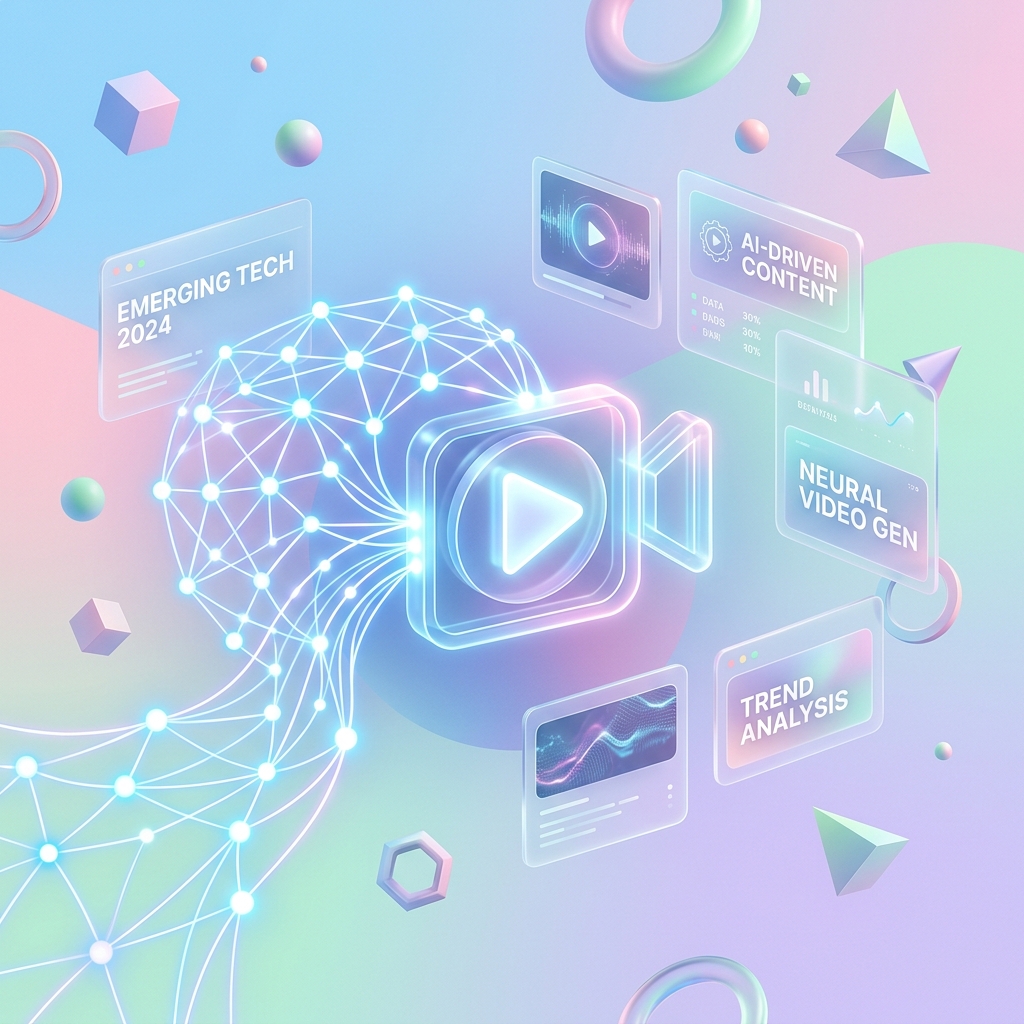
AI video has gone from novelty to genuine creative tool in a remarkably short time. Beyond the viral clips, real shifts are underway in how video gets made. Here's what's actually changing — and what it means for creators.
Key takeaways
- Text-to-video models now produce coherent, controllable shots.
- AI is becoming a pre-production and editing assistant, not just a generator.
- Consistency of characters and style is the current frontier.
- Human taste and direction matter more, not less.
From clips to controllable shots

Early AI video was impressive but chaotic — a few seconds of dreamlike motion with little control. The latest models produce longer, more coherent shots and, crucially, give creators real control over camera movement, framing and pacing through prompts and reference inputs.
That shift from 'random generation' to 'directable output' is what turns a toy into a tool professionals can actually use.
AI across the whole pipeline
The bigger trend is AI moving beyond generation into the entire production pipeline. It's storyboarding scenes, generating B-roll, cleaning up audio, cutting rough edits and upscaling footage. For many creators, the value isn't a fully AI film but a dramatically faster, cheaper path through the boring parts.
This lowers the barrier to entry: a solo creator can now produce work that once required a small team.
The frontier — and the human role
The hardest remaining problem is consistency: keeping the same character, style and world coherent across many shots. Solving it is the current race, and progress is fast.
Ironically, as generation gets easier, human judgement becomes more valuable, not less. Taste, story, timing and direction are what separate forgettable AI clips from work people actually want to watch.
Gowtham
Solo developer and creator, writing clear guides and building tools so you always have current, trustworthy content.